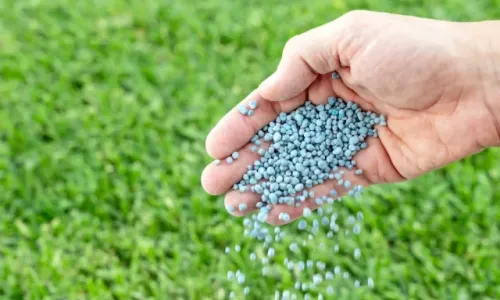
Nanotechnology is increasingly referenced in fertilizer innovation, but under Canadian regulations, particle size alone does not determine whether a product requires registration.
According to the Canadian Food Inspection Agency (CFIA), registration and safety assessment requirements are based on the ingredient(s) in the product, not whether those ingredients occur at the nano scale.
Exempt ingredients remain exempt
If a fertilizer ingredient is exempt under the Fertilizers Regulations (for example, urea), it remains exempt even if present in nano-scale particles, provided no other registerable ingredients are added. Nano-urea is still classified as urea.
When nanotechnology matters
Nanotechnology becomes relevant only when a product requires registration. Any fertilizer or supplement containing a nanomaterial that is subject to registration will automatically require a Level III safety assessment, regardless of whether the nanomaterial is naturally occurring or engineered.
If an exempt ingredient is combined with a registerable supplement, the entire product becomes registerable, and the presence of nanomaterials triggers Level III review.
Claims must be supported
Even exempt products must comply with labeling rules. “Nano” claims must not be misleading, and manufacturers must be able to substantiate any claims related to nano-scale properties if questioned by inspectors.
Manufacturer responsibility
Regardless of exemption or registration status, manufacturers and sellers are responsible for ensuring products are safe for humans, plants, animals, and the environment, as required under the Fertilizers Act and Regulations.