When is APHIS required for soil amendments and fertilizers?
If a soil amendment or plant health enhancer* contains living microorganisms and plant material that may have been composted or mechanically processed, APHIS is responsible for permitting applications for commercial purposes.
APHIS regulates living organisms that could impact animal and plant health. Products with living microorganisms could contain human and animal pathogens. Because of this, permits or other documentation are required when importing these products into the United States in order to protect against potentially destructive plant and animal diseases/pests. APHIS has the authority to regulate microbial organisms that have biocontrol or biopesticidal properties.
APHIS may regulate the following: microbial organisms, mollusks, arthropods, nematodes, plants and plant parts, noxious weed seeds, soil, earthworm castings and animal products such as manure and bedding materials.
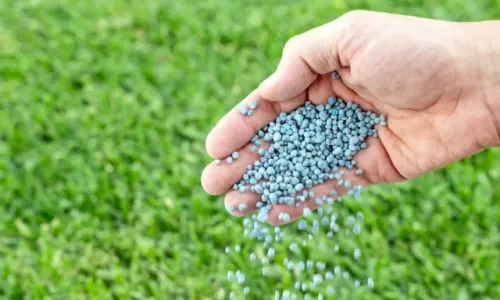
*Soil amendments and plant health enhancers include fertilizers, compost, sludge, manure, microbes, additives, and others or combinations thereof. For regulatory purposes, these materials are referred to as ‘Plant Growth Enhancers’ (PGEs).
Where can I access APHIS?
What information do I need before submitting to APHIS?
1. If your product contains live organisms:
- Provide a complete scientific name and strain for each microbe; the country where the organism was originally isolated; and the environment where it was isolated (e.g., soil, water, animal, plant, detritus, etc.).
- Indicate if the presence of each microbe was confirmed in your final product as determined by an analysis. If so, describe the method used and provide a copy of the results.
- Provide data and scientific literature citations addressing whether each microbe is pathogenic (or non-pathogenic) to plants, humans, animals, and non-target organisms likely to be present in the environment where the material will be released, if applicable.
2. Provide a complete list of all ingredients in each product.
3. Indicate whether your product is for research or commercial purposes (sale / distribution). If for research, specify if for field, laboratory, growth chamber, and/ or greenhouse use.
4. Does your product contain soil? Does your product contain earthworm castings, sludge, manure, farm waste, or other organic materials? Describe.
5. Does your product contain plant matter including decaying materials? Describe where the plant matter was obtained and/ or what it was derived from.
6. Has your product been processed or treated? If so, describe such processing or treatment and provide a detailed protocol for each method.
7. Describe the mechanism of action by which the product enhances plant growth. Provide the scientific basis for such mechanism of action.
8. Does it target and/ or control a plant pest(s) or noxious weed? If so, what is the target pest(s) and/ or noxious weed?
9. Have the microbes been reported in the scientific literature to produce toxins or antibiotics? If yes, do you believe these have a role in providing the intended plant health benefit? Describe.
Does an importer/exporter need to be listed?
When exporting plant products from the US, import permits are required documentation.
View exporter responsibilities here.
When importing plant products into the US, the exporter must be listed to determine if origin constitutes additional requirements for import into the US.
View the Agricultural Commodity Import Requirements (ACIR) database here.
Resource:
Importation of Soil Amendments or Plant Health Enhancers, (Including Fertilizers, Compost, Sludge, and Other Materials Used to Enhance Plant Growth
Exporter Responsibilities (Plants and Plant Products)
Plant and Plant Product Imports