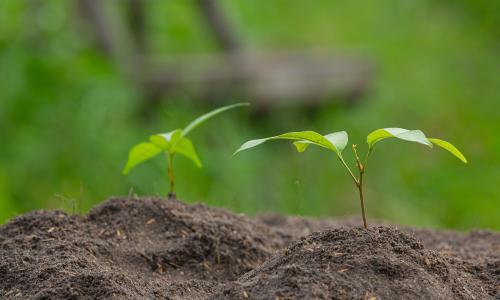
The new Regenerative Pilot Program is a USDA initiative administered through the Natural Resources Conservation Service (NRCS) that helps American farmers and ranchers adopt regenerative agriculture practices that improve soil health, water management, and long-term farm productivity. It’s designed to be farmer-first and outcomes-focused, supporting holistic whole-farm improvements through easier access to conservation funding.
In FY2026, the program is investing $700 million, with $400 million through EQIP and $300 million through CSP to help producers implement regenerative practices.
Who Can Apply?
Producers Eligible to Participate: EQIP_Eligibility_Requirements.pdf
- Farmers and ranchers in all 50 states and U.S. territories
- Conventional and organic operations
- Both beginning and experienced producers
- Operations at any stage of adopting regenerative practices
Land Use Eligibility Chart.pdf
Applications are submitted through your local NRCS Service Center by your state’s ranking dates, and the program now combines EQIP and CSP funding into a single regenerative application to simplify the process.
What Are Regenerative Management Practices?
Regenerative agriculture isn’t one specific practice — it’s an approach that combines multiple conservation and soil-building techniques to restore and enhance ecosystem health while supporting production.
Under the pilot, producers can bundle multiple eligible practices into one whole-farm plan. Some of the primary practices include:
Key Practices & Simple Explanations
- Conservation Crop Rotation – Rotating different crops year-to-year to break pest cycles and build soil nutrients.
- Cover Crops – Planting crops between cash crops to protect soil, reduce erosion, and add organic matter.
- No-Till / Reduced Tillage – Minimizing soil disturbance to preserve soil structure and microbial life.
- Nutrient Management – Strategically managing fertility to match crop needs and reduce losses.
- Prescribed Grazing – Managing livestock movements to support pasture health and soil cover.
- Irrigation & Water Management – Improving efficiency and protecting water quality.
- Contour Farming / Stripcropping – Shaping crops to follow land contours to reduce erosion.
- Drainage Water Management & Mulching – Techniques to manage water flow and maintain soil cover.
Funding Streams Available
The pilot uses two existing NRCS conservation programs:
Environmental Quality Incentives Program (EQIP)
- Shorter-term cost-share and incentive payments
- Helps pay for practice installation and implementation
- Ideal for targeted improvements like cover crops, nutrient management, and water conservation
Conservation Stewardship Program (CSP)
- Multi-year contracts (typically 5 years)
- Pays for both maintaining existing practices and adding new enhancements
- Supports comprehensive stewardship activities across the whole operation
Now, rather than dealing with separate sign-ups, producers can bundle practices into one regenerative application for both EQIP and CSP in the same cycle.
How to Apply - https://www.nrcs.usda.gov/getting-assistance/how-to-apply
- Visit your local NRCS Service Center – NRCS staff can help you with planning and applications.
- Complete a whole-farm assessment – A conservation planner works with you to map out your goals and resource concerns.
- Submit the regenerative application by your state’s ranking dates.
- Ranking Dates: Ranking Dates | Natural Resources Conservation Service
- Contract EQIP: Appendix to Form NRCS-CPA-1202, "General Contract Provisions"
- Contract CPC : EQIP-RCPP_CPA1202_Appendix_English_2021-02.pdf
- Application form: NRCS-CPA-1200
- Implement approved practices and track outcomes over the contract period (usually 5 years).
Benefits For Conventional Producers
- Lower production costs through reduced tillage, optimized nutrient plans, and improved water efficiency.
- Stronger soil base that increases resilience to droughts and weather extremes.
- Opportunity to adopt conservation measures that improve long-term yields while protecting natural resources.
- Simplified access to government conservation dollars through a unified application.
Benefits For Organic Fertilizer & Soil Amendment Producers
- Increased demand as producers invest in soil health practices that often rely on amendments like compost, bio-fertilizers, microbes, and organic matter enhancers.
- Partnership opportunities with NRCS as Technical Service Providers or collaborators helping implement plans.
- Stronger market messaging linking your products to regenerative outcomes better soil life, structure, and resilience.